Demos
 Colors
 Docs
 Support





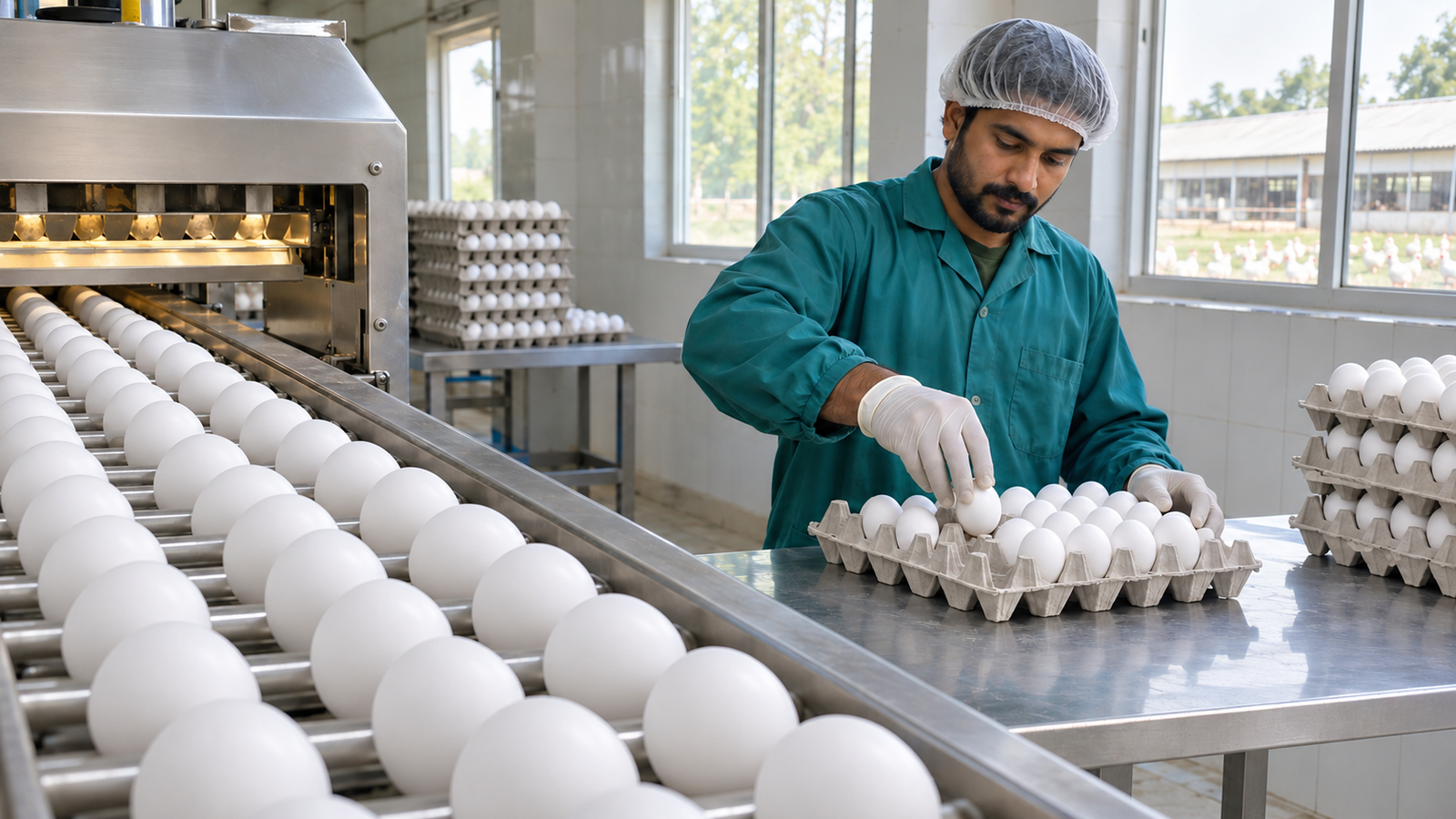
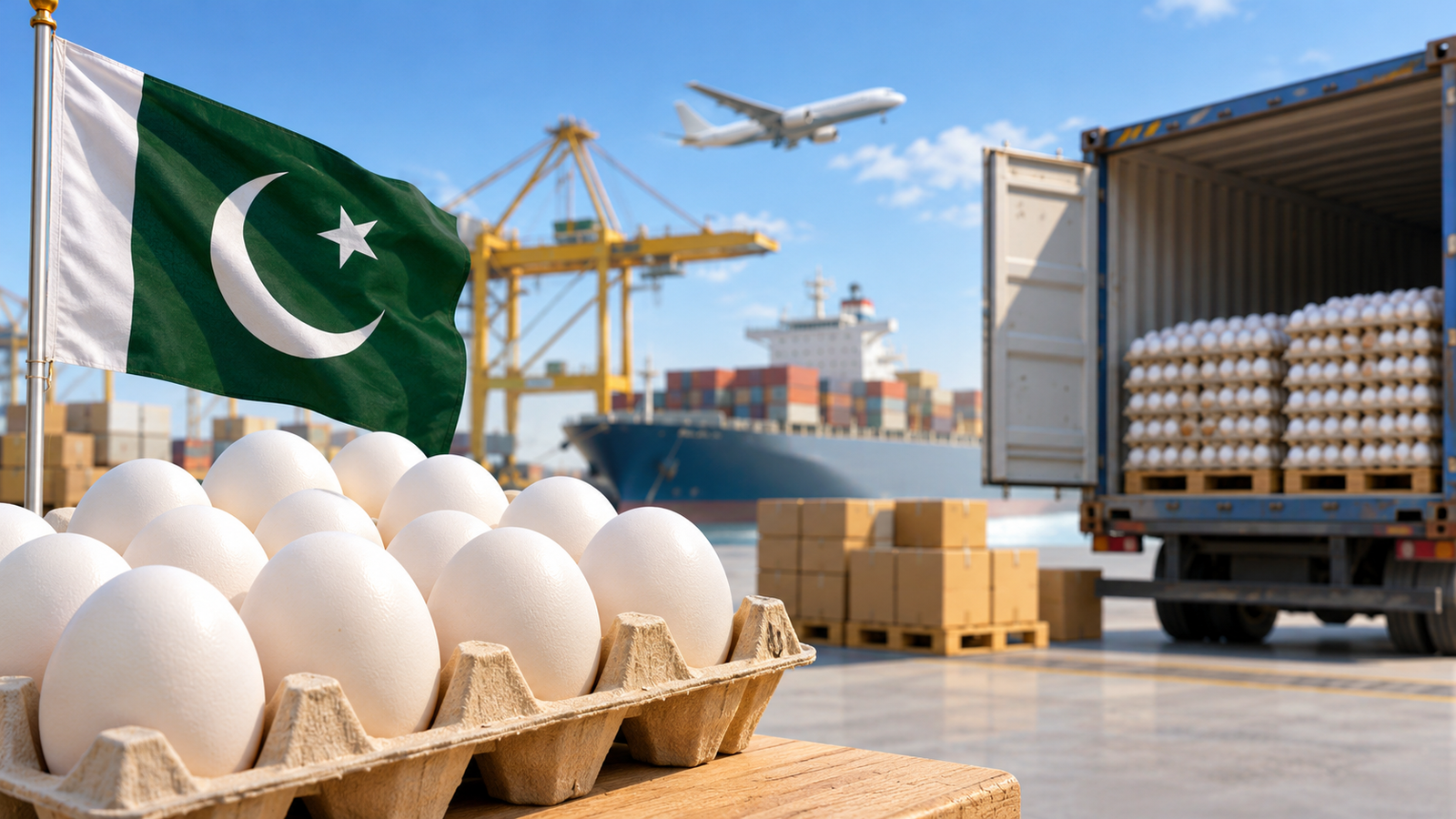
A farmer who collects 11,000 eggs may still struggle to fill an order for 10,000. Some eggs fall outside the buyer’s weight range, while others crack before packing. That gap between the collection sheet and the sales invoice is where poultry industry trends become useful.
Growth in the egg market matters to a farmer deciding which orders to accept, how many hens to house, or what price to quote for the next delivery. Four developments deserve attention.
Global egg production has grown, poultry is expected to account for most of the rise in meat demand through 2035, hotter conditions put pressure on poultry houses, and bird flu continues to disrupt production.
For farmers in Pakistan, two figures help put those developments in perspective: what it costs to produce a dozen eggs fit for sale and how many dozens the farm can reliably supply in the size a buyer needs.
Four Global Poultry Industry Trends Shaping Farm Decisions
1. Egg Production is Growing Worldwide and in Pakistan
The UN Food and Agriculture Organization (FAO) reported about 97 million tonnes of eggs in 2023. Its 2024 production figures put the total at 100 million tonnes, with hen eggs making up 94%. Pakistan also recorded growth.
The Pakistan Economic Survey 2025–26 estimates national production at 28.28 billion eggs, up from 26.70 billion the previous year. That works out to about 1.58 billion additional eggs, a rise of nearly 6%. The global figures measure weight, while Pakistan’s figures count individual eggs.
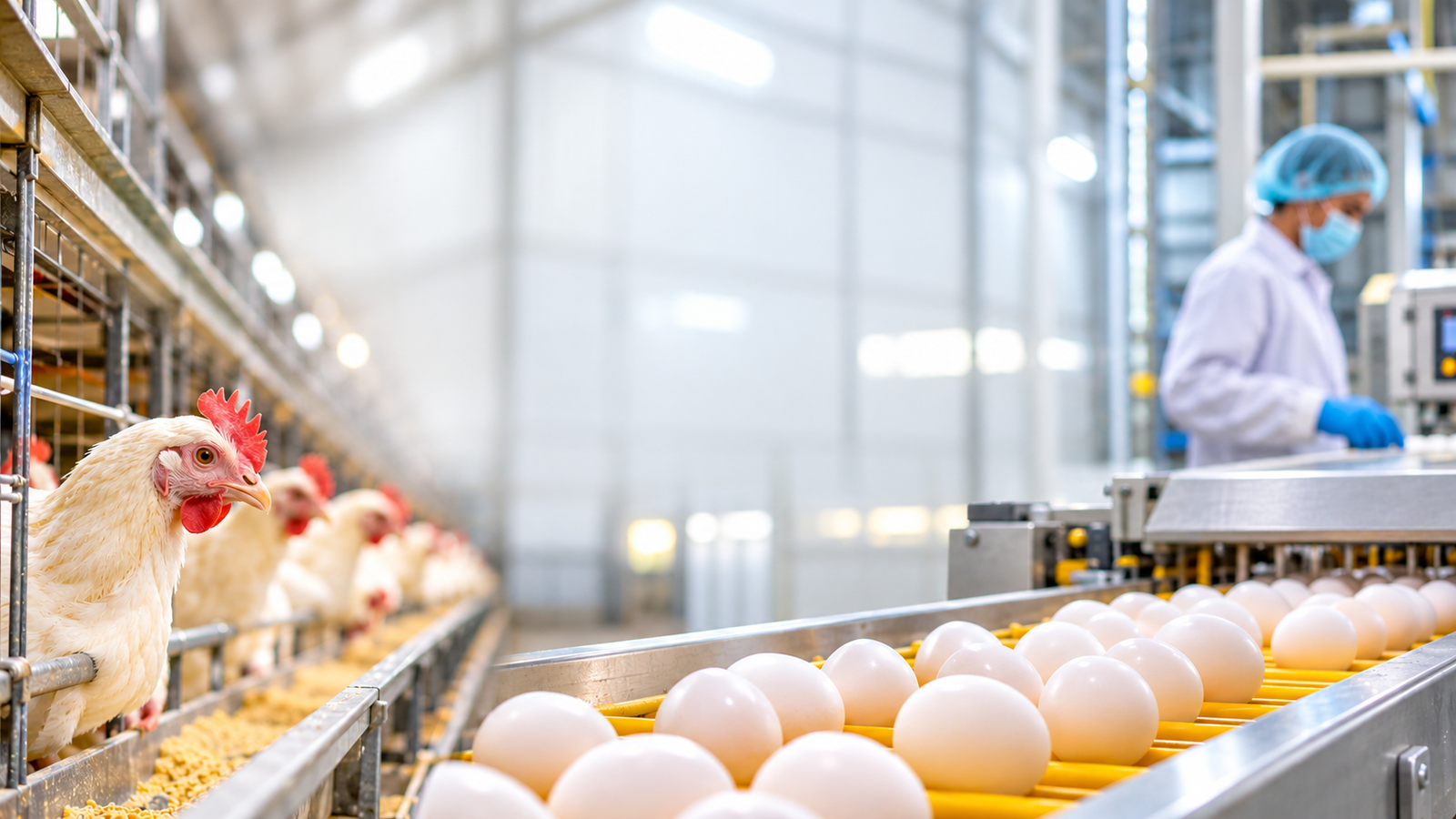
For a layer farmer, the next question is where those extra eggs can sell. Suppose a customer wants 10,000 eggs a week within an agreed weight range. The farm collects 11,000, but only 9,200 meet that requirement after grading.
The farm is 800 eggs short on the order, even though it has other eggs available for sale. Before expanding the flock, the farmer can check whether another customer regularly buys the sizes already coming off the grading line.
A month of packing records is a useful starting point. Compare how many eggs each buyer requested, how many met the agreed size, and what price the remaining eggs earned. If smaller eggs sell quickly at a fair price, that sales channel may be worth developing. If one size regularly goes unsold, the farmer has a specific question to raise at the next buyer meeting.
2. Poultry is Expected to Lead Growth in Global Meat Demand
The OECD–FAO Agricultural Outlook 2026–2035 projects that global poultry meat consumption will reach 177 million tonnes by 2035, measured as meat ready to cook. Poultry is expected to account for about two-thirds of the increase in global meat consumption over that period.
Chicken’s relatively affordable price and short production cycle help explain the forecast. The report expects much of the additional demand in Asia, Latin America, the Middle East, and North Africa.
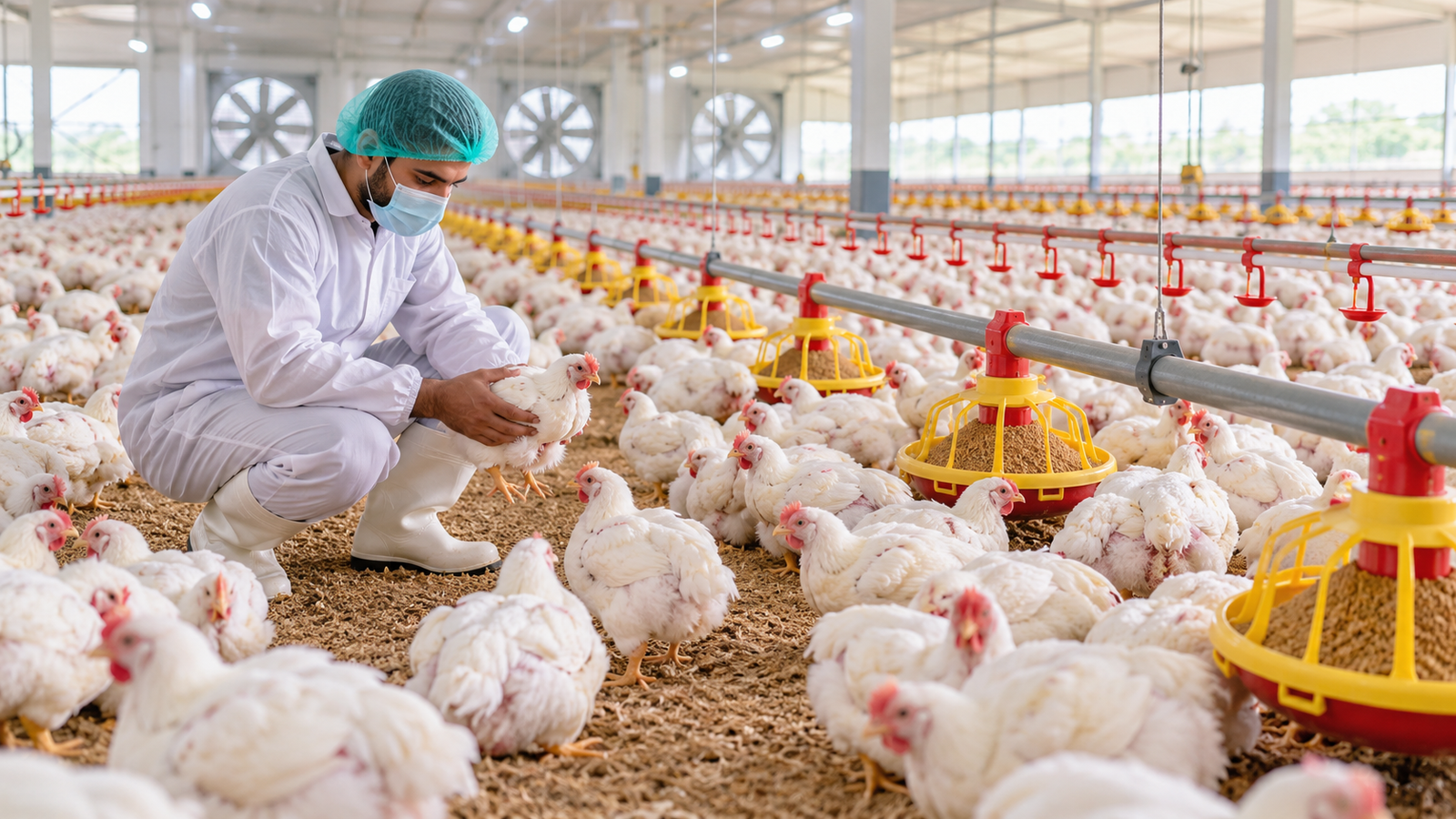
For a broiler farmer deciding how many chicks to place, the buyer’s collection schedule brings that forecast down to farm level.
What live weight will the customer accept?
How many birds can they collect in one visit?
A three-day delay means three more days of feed and housing costs. Some birds may also grow beyond the weight range used to agree on the price. A clear pickup window gives the farmer a better basis for comparing two offers.
3. Hotter Conditions Put Water Supply and Egg Quality Under Pressure
In its November 2026 climate update, the World Meteorological Organization reported that 2015 through 2026 were on track to be the 12 warmest years on record. Inside a poultry house, one immediate concern is whether birds can reach enough water.
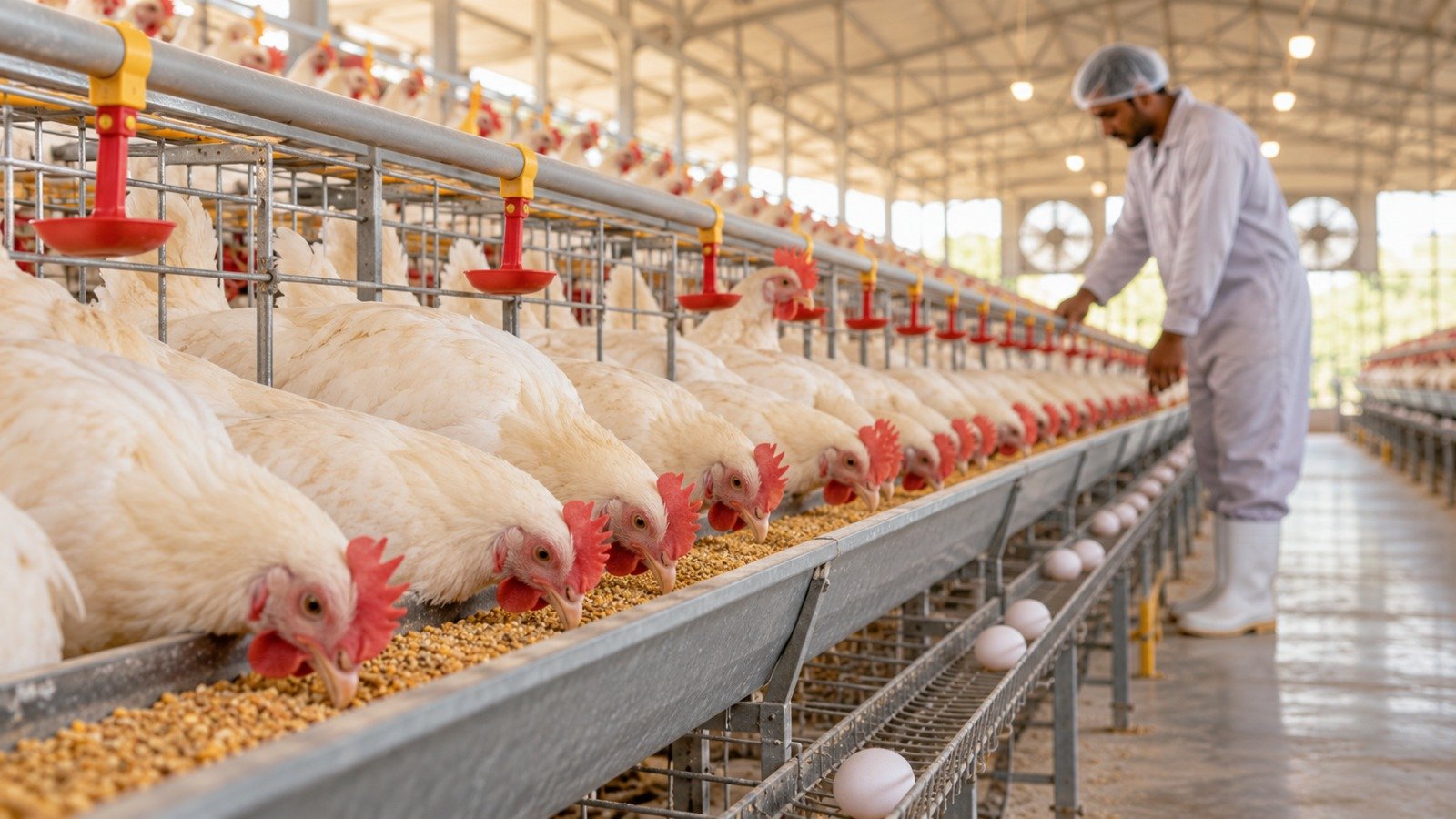
The University of Minnesota’s guidance on heat stress in poultry explains that birds under heat stress may drink two to four times their usual amount. Hot conditions can also affect egg production and shell quality.
A full storage tank is easy to see from the doorway. A drinker with poor flow at the far end of the house takes a closer look. Before the hot season, check the water supply along each line and review airflow where birds gather.
During a hot spell, record house temperature, water use, egg count, and cracked shells on the same sheet. If losses rise in one house while another stays steady, those notes give the farm team and its adviser a place to start.
4. Bird Flu Outbreaks Remain a Risk to Steady Supply
Countries reported 124 outbreaks of highly pathogenic avian influenza in poultry in February 2026 alone, according to the World Organisation for Animal Health’s outbreak report. Each outbreak can involve many birds.
The organisation’s avian influenza guidance highlights the importance of protecting flocks and promptly reporting suspected cases. For a farm with several shifts, a practical question is whether the person opening the house on a Sunday morning knows whom to call if they find unusual illness or sudden deaths.
Staff should know where visitors may enter, which footwear belongs inside the house, and how the farm keeps wild birds away from feed and water. The veterinarian’s and local animal health office’s contact details should be easy to find on every shift. For layer farms, these routines are part of a wider set of checks that continue through collection, handling, and packing.
Roomi Poultry’s guide to food safety in egg production explains how those stages fit together.
How Farmers Can Use These Trends Before The Next Order
Calculate Feed Cost Per Dozen Eggs Fit For Sale
The FAO guide to poultry nutrition and feeding identifies feed as the largest input cost in intensive poultry production. A farmer can know the price of every bag and still miss a rise in the cost of producing a dozen eggs.
To calculate feed cost per saleable dozen, divide the cost of feed the flock used during a period by the number of dozens fit for sale during that same period. Use feed consumed during the week, since a delivery that arrives on Monday may last well into the next week.
Consider a flock that uses PKR 120,000 worth of feed each week. This example shows what happens when fewer eggs reach the packing room in saleable condition.
| Weekly Farm Figure | Week One | Week Two |
| Cost of feed used | PKR 120,000 | PKR 120,000 |
| Eggs fit for sale | 12,000 | 10,800 |
| Dozens fit for sale | 1,000 | 900 |
| Feed cost per saleable dozen | PKR 120 | About PKR 133 |
The farmer spent about PKR 13 more on feed for each saleable dozen in week two, even though the feed bill stayed the same. Before changing the ration, check whether the hens laid fewer eggs or whether more eggs were lost between collection and packing.
A drop in laying calls for a review of the flock. A rise in breakage after collection gives the team a reason to examine handling and transport.
For broilers, a useful measure is the feed conversion ratio, or FCR. A flock that consumes 1,600 kg of feed and gains 1,000 kg of live weight has an FCR of 1.60.
Compare flocks at a similar age and weight, and use the same calculation each time. That gives the farmer a clearer view of changes in feed use from one flock to the next.
Check Whether One Carton Can Be Traced Back to Its Flock
A buyer who receives damaged eggs may ask, “Which other cartons came from this batch?” The Codex Code of Hygienic Practice for Eggs and Egg Products covers batch identification and the records needed to trace eggs through the supply chain.
A packing date helps, but several flocks or deliveries may share that date. A batch reference lets the farmer connect the carton in the buyer’s hands to the right collection and dispatch records.
Choose one carton from a recent order and follow its batch reference back to the packing date and flock. Then start with the flock record and identify which customers received those eggs.
If the trail stops at the loading bay, adding the packing reference to the dispatch note may close the gap. This exercise shows the farmer where to improve the records before a larger customer asks the same question.
What These Poultry Trends Mean for Your Next Order
A growing egg market gives a farmer a reason to explore a new order. The decision to accept it depends on three things closer to home: how many eggs meet the buyer’s grade, what those eggs cost per dozen, and whether the farm can deliver them week after week. Four weeks of grading, feed, and dispatch records can reveal an opportunity that the total egg count alone would hide.
Roomi Poultry Limited brings feed production, layer farming, egg grading, and packing together through its integrated poultry model in Pakistan. Farmers can explore Roomi’s poultry feed range, while buyers can learn about its layer farming and egg grading operations. To request a bulk table egg quote from Roomi Poultry, share your preferred egg size, quantity, packaging, and delivery destination in Pakistan or abroad.